Women as Leaders of Peace and Change
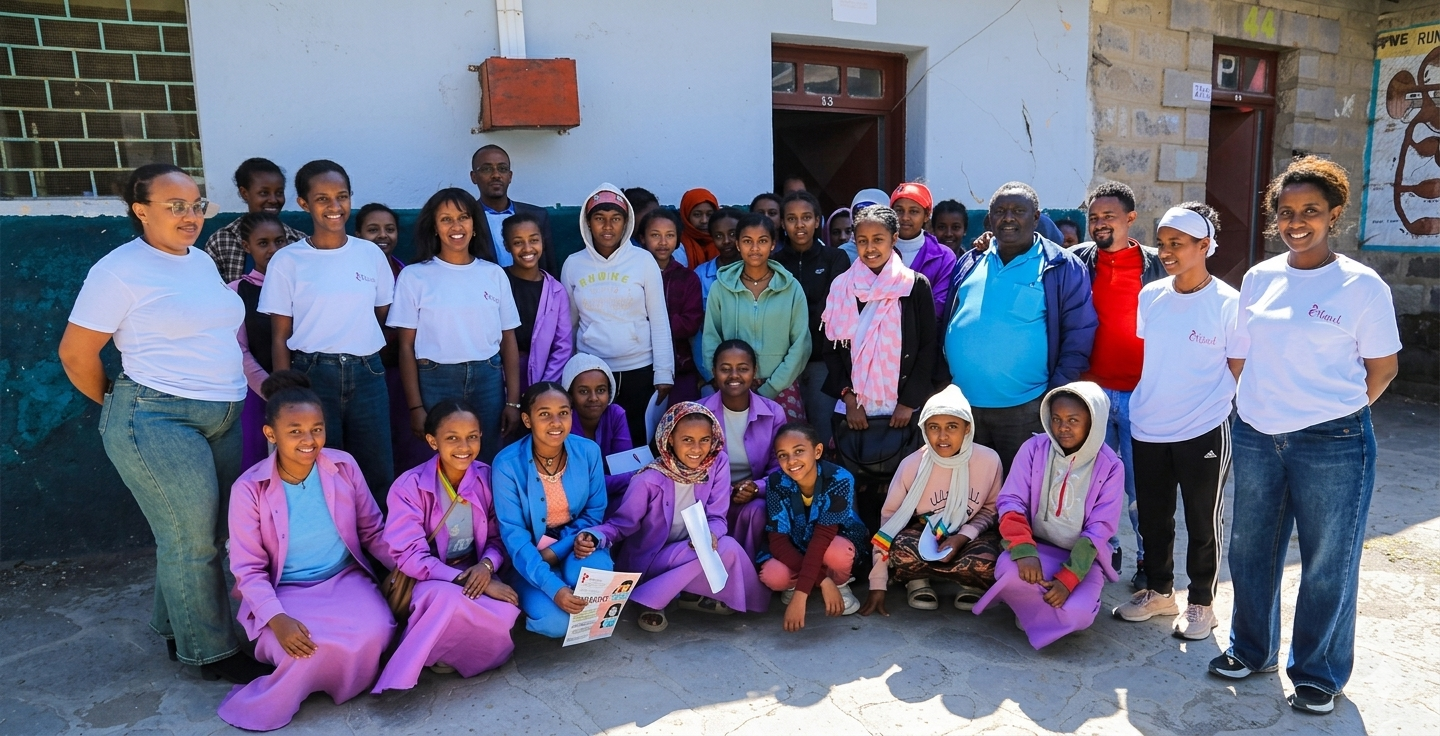
Lasting peace is built through inclusion, dialogue, and shared responsibility. Almah Africa believes that women and young people are essential to creating and sustaining peaceful communities.
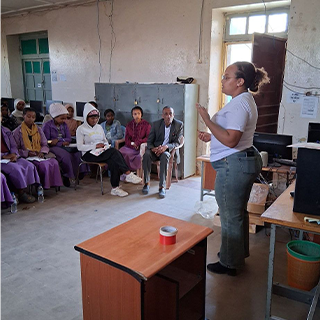
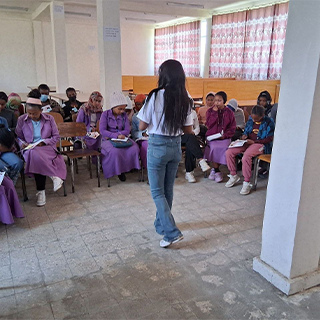
Our programs empower participants to take active roles in conflict resolution, leadership, and community development.


Our initiatives are designed to promote participation, inclusion, and proactive leadership:
Conflict devastates communities across Africa, and women and girls bear a disproportionate burden. Women represent less than 13% of peace negotiators globally, yet they are the majority of those affected by conflict. Conflict-related sexual violence remains pervasive in war zones from Northeast Nigeria to parts of Ethiopia. Formal justice systems collapse in conflict settings, leaving survivors without recourse. Women's informal peacebuilding contributions go unrecognized and unsupported. National Action Plans on UN Security Council Resolution 1325 (Women, Peace & Security) remain poorly implemented.
Women excluded from peace processes means peace agreements are less comprehensive and less durable. Women's security needs are ignored. Transitional justice mechanisms fail to address gender-based crimes. Post-conflict recovery doesn't serve half the population.


We work from grassroots peacebuilding to high-level policy advocacy to ensure women's full participation in peace and security.


Training in conflict resolution, mediation, and negotiation. Digital skills for advocacy and documentation. Networks connecting women peacebuilders across regions. Small grants for women-led peace initiatives.
Advocacy for implementation of National Action Plans on UNSCR 1325. Support for women's inclusion in formal peace processes. Capacity building for women to participate meaningfully in decision-making. Documentation and amplification of women's peace contributions.
Support for survivors of conflict-related sexual violence. Advocacy for accountability and transitional justice mechanisms. Community-based protection strategies. Linking survivors to legal, psychosocial, and economic support.
Community dialogue and reconciliation programs. Women's leadership in early warning systems. Economic empowerment as peace dividend. Engaging men and boys as allies in peacebuilding.
 Ensuring education continues even in conflict settings. Using technology to amplify peacebuilders' voices. Creating pathways from survivor to leader. Integrating peace education into schools and communities.
Mentorship programs connecting girls with role models. Transition support from primary to secondary to tertiary education. Alternative education pathways for those outside formal systems. Partnerships with schools, universities, and vocational training centers.
Women leading in peace and security changes everything. Peace agreements are 35% more likely to last at least 15 years. Communities recover faster from conflict. Women's rights and protection are centered. Sustainable development becomes possible. Future conflicts are prevented.
African women are not just victims of conflict—they are powerful agents of peace. We ensure they have the platform, resources, and recognition they deserve.


Inclusive leadership leads to stronger, more resilient communities. When women and youth are part of decision-making processes, solutions become more sustainable and representative.


Be part of a movement that builds peace through leadership, inclusion, and collective action.